A commercial roof opening affects more than the room below it. Austin owners must compare daylight goals, roof conditions, tenant schedules, access, and permit questions before choosing an installer.
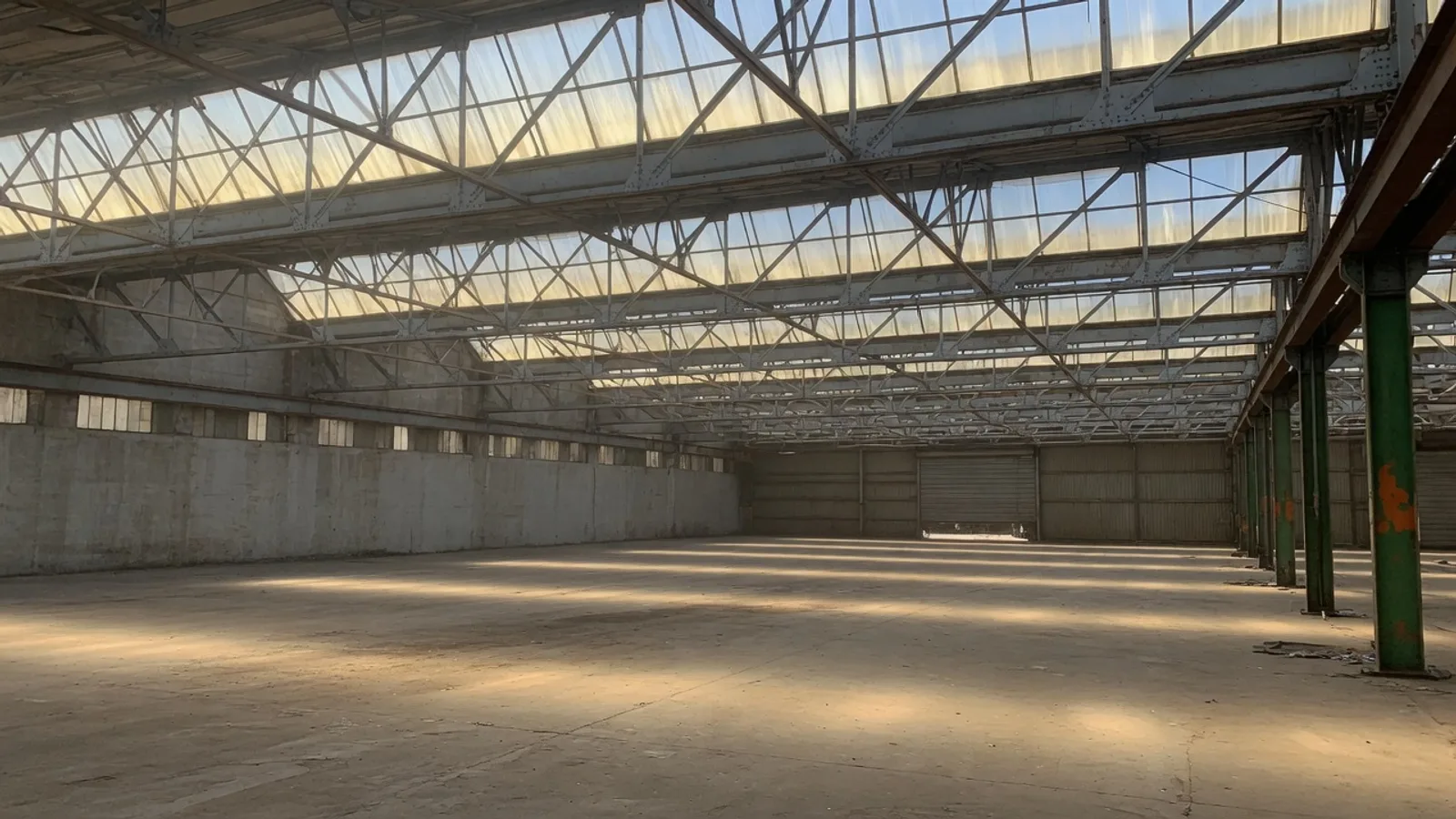
Where Austin businesses actually use skylights
Commercial skylights can fit shops, offices, warehouses, workshops, and shared public spaces. The right location depends on what happens below the roof. It also depends on the building layout, existing roof system, and desired daylight pattern.
Start with the business problem, not a product catalog. A retail owner might want daylight across a sales floor without creating glare near displays. A warehouse operator may want broader light over work or storage areas. An office project could focus on interior rooms that don’t receive useful light from exterior windows.
Those are different assignments. A quote should connect each proposed opening to a specific area below. Ask the contractor to mark the roof location and the matching ceiling location. That comparison can expose conflicts before anyone approves the scope.
Bright Sky ATX serves commercial properties across the Austin metro, including Travis, Williamson, and Hays counties. The referral service matches owners and property managers with experienced, insured independent local professionals. The customer hires and pays the selected contractor directly.
Owners still deciding between products can review commercial skylights and daylighting options. The related Austin commercial daylighting overview covers the broader planning path. This page focuses on installation decisions.
Bring basic building information to the first conversation. Useful items include roof plans, interior photos, roof access details, and records for existing openings. If those records aren’t available, say so. The contractor can explain what must be inspected before offering a final scope.
Retail, warehouse, and office roof patterns
A commercial skylight proposal must respond to the roof that’s already there. Don’t accept a recommendation based only on interior photographs. Ask the bidder to identify the roof assembly, drainage layout, structural questions, and nearby rooftop equipment that affect placement.
Retail spaces often need careful coordination between the roof and finished ceiling. Signs, shelving, lighting, ducts, and customer areas can influence where an opening makes sense. Ask how the proposed location relates to the merchandising plan and any future tenant changes.
Warehouse proposals need the same discipline. The contractor should identify what sits below each proposed opening. Racking, work zones, equipment, and clear travel areas belong in that discussion. If the building has existing skylights, ask which units remain and which ones enter the project scope.
Office roofs may cover several layers of interior space. A roof opening doesn’t automatically show where daylight will land below. Suspended ceilings, enclosed rooms, and mechanical systems can change the plan. Ask for a clear explanation of the path between the roof and occupied space.
Roof shape also changes the conversation. Flat and low-slope areas call for different project questions than pitched sections. Existing curbs, drains, seams, penetrations, and rooftop units should appear on the contractor’s roof plan or written assessment.
For projects involving a new opening, the skylight installation service page explains how Bright Sky ATX connects customers with independent pros. Ask each bidder to state what was visually confirmed and what remains unknown. That distinction makes competing proposals easier to compare.
What a commercial quote has to cover
A useful commercial quote describes the full project boundary. It shouldn’t leave the owner guessing which contractor, roofer, electrician, interior trade, or property representative handles each task.
Start with the proposed skylight itself. The quote should identify the selected product, mounting approach, glazing choice, operating type, and related components. If the product isn’t final, the document should label it as an allowance or pending selection. Don’t treat an undecided product as settled.
Next, look at the roof scope. Ask what happens around the opening and who handles that work. The quote should address existing roofing, flashing details, curbs, interior finishes, debris handling, and protection for the occupied area below. If another trade must complete part of the work, that dependency should be written clearly.
Access belongs in the quote too. Ask who arranges roof access, loading space, interior access, and any required coordination with tenants or property management. The bidder should also identify assumptions about parking, gates, elevators, loading areas, and restricted work zones.
Commercial operations can’t be treated as an afterthought. Tell the contractor about deliveries, customer traffic, production areas, sensitive inventory, and tenant restrictions. Ask how those conditions affect the proposed work plan.
Prices, deposits, payment schedules, exclusions, and change procedures should come from the independent contractor. Bright Sky ATX doesn’t set prices or provide warranties. Ask the bidder to separate confirmed work from possible additions. The skylight installation quote process offers a practical comparison checklist.
For product performance questions, ask for the manufacturer’s current documentation. You can also review the federal ENERGY STAR skylight criteria, while recognizing that a commercial project needs its own applicable review.
Permits and access you still have to confirm
No single permit answer covers the whole Austin metro. The correct authority depends on the property’s location and jurisdiction. Confirm the requirement with the city or county responsible for that address before work begins.
For a property inside Austin, ask the City of Austin which approvals apply to the proposed commercial roof opening. If the address sits elsewhere in Travis, Williamson, or Hays County, identify the actual authority before relying on Austin guidance. A mailing address alone shouldn’t settle that question.
Cedar Park has its own Building Permits and Inspections office within Development Services. It isn’t the City of Austin permit desk. Confirm with that office whether the proposed roof or skylight work needs review.
Leander publishes permit guidance, but its list isn’t comprehensive. Skylights aren’t named on that list. A commercial owner should confirm the current requirement with a Leander inspector instead of treating the omission as approval to proceed without a permit.
Kyle also has a separate Building Inspection department. Its published activities list isn’t comprehensive, and skylights aren’t specifically named. Confirm the proposed commercial work directly with that department before construction starts.
Some properties have another review layer. Mueller modifications are reviewed in advance through the process described in the Mueller Design Book. Owners there should obtain the current modification materials and confirm what must be submitted before cutting a roof.
Permit research shouldn’t stop at “required” or “not required.” Ask who prepares each submission, who pays agency charges, and which documents are excluded from the quote. Bright Sky ATX couldn’t confirm a universal commercial skylight permit rule or fee for the full metro from the approved sources. The local authority sets the answer for the specific address and scope.
How independent crews stage a commercial roof
Commercial staging should be discussed before the contract is signed. The contractor’s plan needs to fit the building, roof access, occupied areas, and property rules. Owners can request that plan without dictating how the contractor performs the work.
Begin with responsibility. Ask who serves as the contractor’s site contact and who represents the property. The proposal should explain how decisions, access changes, and newly discovered conditions will be documented.
Next, discuss movement through the property. The contractor should identify the proposed route for workers, tools, materials, and removed components. Ask which entrances, loading areas, roof access points, or interior zones the plan assumes will be available.
Protection below the opening also deserves a direct conversation. Show the bidder any inventory, equipment, furnishings, finished surfaces, or active work areas beneath the proposed location. Ask what must move before work starts and who handles that move. If the space stays occupied, request a written explanation of the proposed separation and coordination plan.
Weather planning belongs in the contractor’s scope. Ask what conditions must exist before the roof is opened and how an incomplete opening will be handled. Don’t accept a vague verbal assurance when the building remains active.
The final handoff should also be defined. Ask what the contractor will provide after completion, such as product information, photographs, permit records, or manufacturer documents. Availability depends on the actual project, so list required records in the contract.
When comparing commercial skylight companies, compare scope and assumptions alongside price. One quote may include access, interior coordination, and roof work that another excludes. A clear side-by-side review helps the owner see those differences before choosing a contractor.
When to call us
Call Bright Sky ATX when a commercial skylight project needs an experienced, insured independent local professional. Call us at (737) 477-8898 and we will match you with an experienced, insured local pro.