Beating attic heat
A hot attic pushes cooling costs up through the ceiling below it, ventilation is where that starts.
What you'll learn
- Why a hot attic raises cooling costs in the rooms below it
- The difference between intake vents (soffit) and exhaust vents (ridge, gable, powered)
- What a solar attic fan does and does not fix
- How much ventilation a typical Austin attic actually needs
Step by step
- Check your soffit vents from outside and confirm insulation or paint has not blocked the openings.
- On a hot afternoon, check the attic temperature against the outside air temperature.
- Confirm exhaust vents, ridge, gable, or fan, are clear of debris and nesting material.
- From inside the attic, check that insulation has not been pushed up against the roof deck, blocking airflow to the soffits.
- If the attic still runs far hotter than the outside air after these checks, ask a professional about added intake or exhaust capacity.
Safety note
Texas attics can pass 140 degrees in summer. Limit attic time to early morning, wear a dust mask around insulation, and skip attic checks entirely on a hot roof day.
Rather have a pro handle it?
We match homeowners with experienced, insured local skylight crews across the Austin metro. You reach us directly, not a national call center.
More guides
Keep learning.

Basics · 4 min watch
Skylight basics
Before you call anyone, it helps to know what kind of skylight is already on your roof.
Basics · 4 min watch
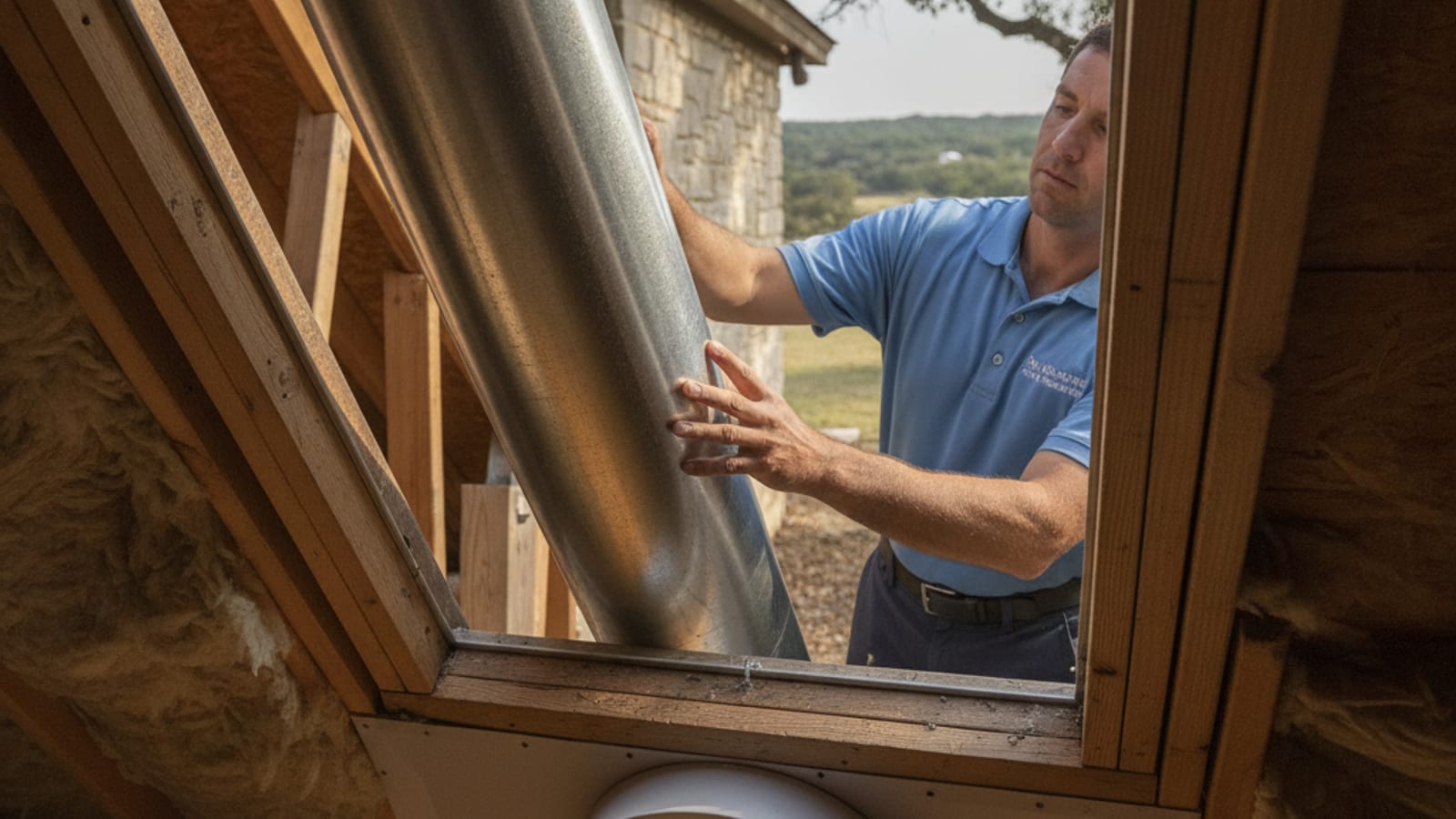
Solar tubes explained
A solar tube channels daylight into a dark room without cutting a full skylight opening.
Troubleshooting · 5 min watch
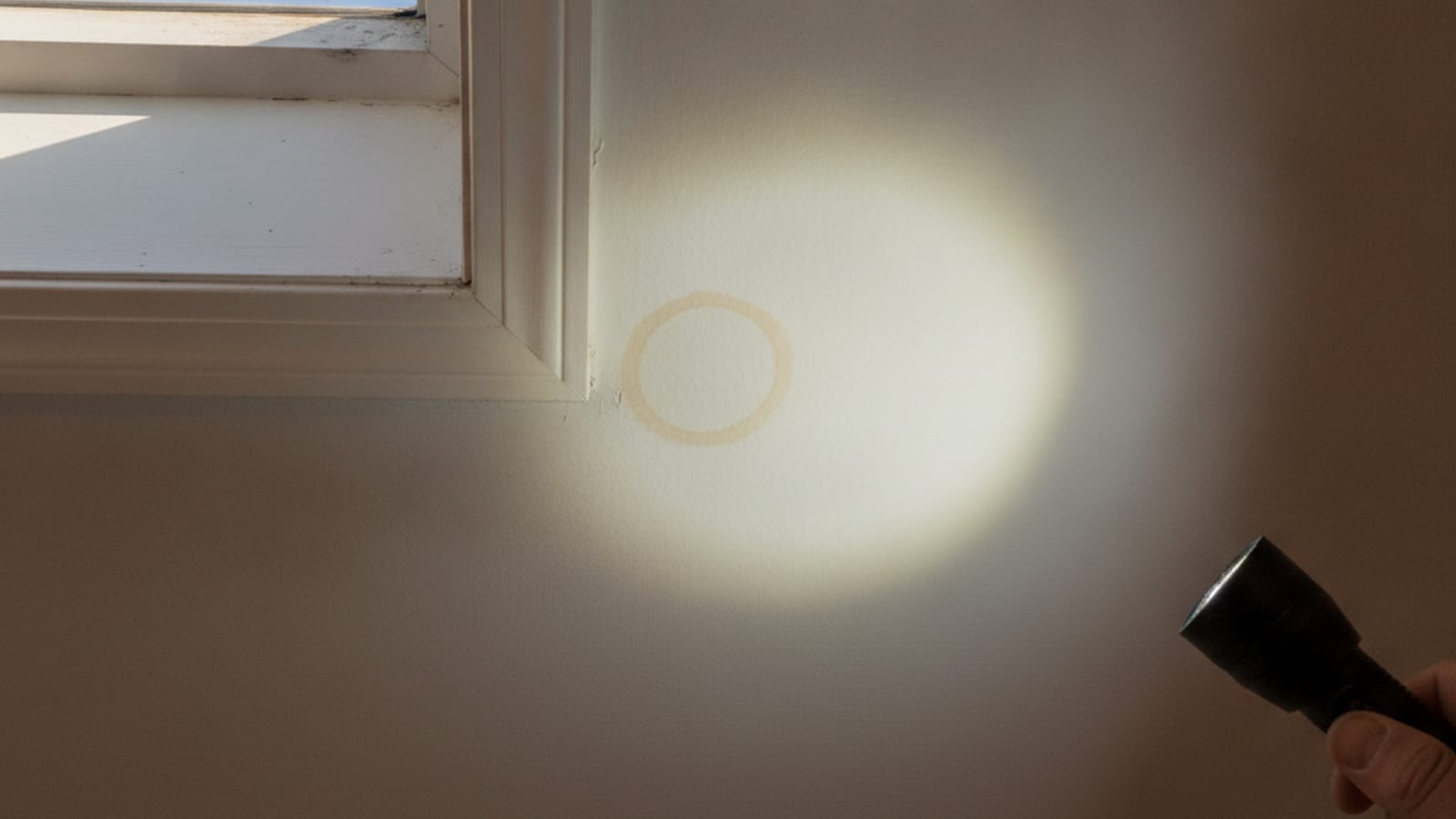
Spotting skylight leaks
Most skylight leaks start at the flashing, not the glass, and you can catch early signs from inside.