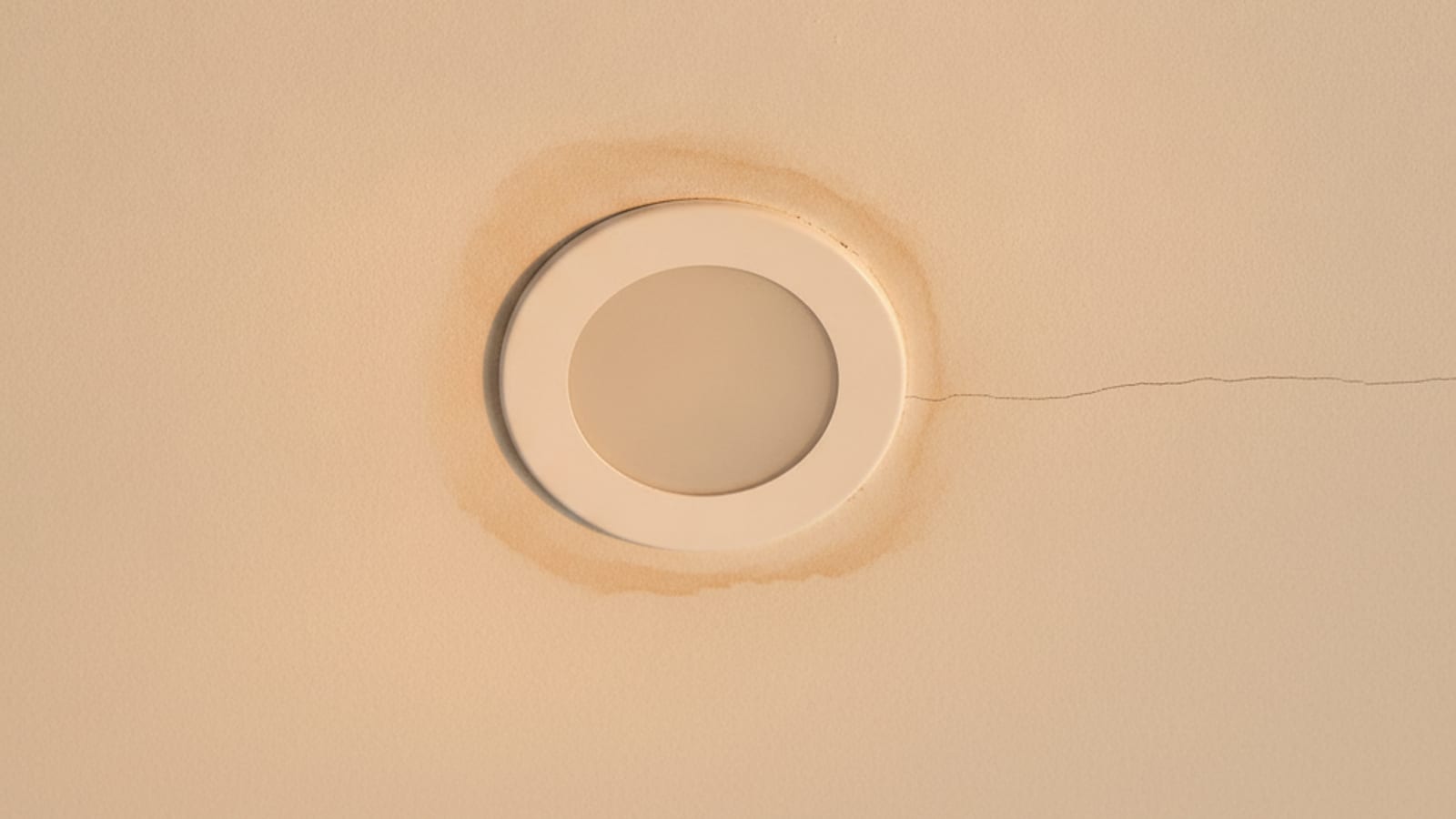
A correctly flashed solar tube shouldn’t leak. When one does, it almost always traces back to one of three known, preventable failure points, not some inherent flaw in the product. Roofers have a half-joking saying that every skylight or tube leaks eventually, and it’s worth addressing head-on: that reputation comes from bad installs and aging seals, not from tubes being leak-prone by design.
The three actual failure points
Flashing. This is the metal or rubber assembly that seals the roof opening around the tube’s dome. Poorly seated or damaged flashing is the single most common source of an actual water leak, and it’s almost entirely a workmanship issue.
Aging dome seals. The rubber gaskets and sealant around the acrylic dome degrade with sun and heat exposure over years. A tube that never leaked for a decade can start after the seal finally gives out.
Impact damage. A cracked or punctured dome from hail or falling debris creates a direct path for water, separate from any flashing or seal issue.
The Austin-specific one: hail
Austin sits in what roofers call hail alley, along the I-35 corridor, and the record backs that up: roughly 145 hail reports within 10 miles of the metro since 2004, rated a very high frequency zone. The city has lived through some serious storms in recent memory. The September 24, 2023 storm brought baseball-to-softball-size hail and caused more than $300 million in damage, the costliest hailstorm in Austin’s history. May 9, 2024 brought hail up to 3.25 inches. May 28, 2025 brought golf-ball-to-baseball-size hail with gusts up to 80 mph. Peak hail season runs March through June, with April and May typically the worst stretch.
A solar tube’s acrylic dome is a small, curved surface, which actually helps it shed some direct hits better than a flat skylight pane, but a large enough stone can still crack or puncture it. If your roof took a hail hit during any of those storms, and you’ve noticed new moisture around a solar tube since, the dome is worth inspecting even if the shingles look fine.
Condensation mistaken for a leak
Moisture around a solar tube’s diffuser doesn’t always mean a leak. Warm, humid indoor air meeting a cooler metal tube or dome can condense and drip, especially overnight or in the morning, and it can look exactly like a roof leak to an untrained eye. We cover the full diagnostic test for telling the two apart in a separate post, but the short version: a leak tends to follow rain by hours, while condensation shows up with no rain at all, often on cool mornings after a humid night.
Why install quality decides everything
The flashing method has to match the roof. A shingle roof uses step flashing woven into the surrounding courses. A standing-seam metal roof needs a flashing kit built for that seam profile, not a shingle-style retrofit. Get the wrong flashing approach on the wrong roof, and you’ve built in a leak risk from day one, regardless of how good the tube itself is. This is the single biggest reason to have a solar tube installation done by an installer who works on your specific roof type regularly, not a generalist doing their first metal-roof flashing job on your house.
What a real leak looks like
A genuine leak usually shows up as a brown or yellow water stain that spreads outward from the tube opening, often in a ring pattern. It typically appears or worsens within a few hours of a rain event, not randomly on a dry morning. Drips tend to originate right at the diffuser or along the ceiling trim, rather than pooling on the glass itself the way condensation does.
What to do if yours is leaking
Don’t ignore it and don’t try to reseal it yourself with caulk from the inside; that can trap moisture against the roof deck and make the underlying damage worse. Note when the moisture appears relative to rain, take photos, and get someone to inspect the flashing and dome from the roof. A skylight repair technician can usually diagnose the source in one visit and tell you whether it’s a reflash, a dome swap, or a full unit replacement.
How long do solar tube seals last?
Seals typically hold up for a decade or more before sun and heat exposure start to degrade them, though quality of the original install and how much direct sun the roof gets both affect that timeline.
Does hail break solar tubes?
Large hail can crack or puncture an acrylic dome, particularly in the golf-ball-and-larger sizes Austin has seen in recent storms. Smaller hail more often leaves cosmetic marks without a breach.
Is condensation inside the tube normal?
Some seasonal condensation on the interior of the dome or tube can happen, especially in humid weather, and it isn’t automatically a defect. Persistent fogging or dripping, though, is worth having checked, since it can also signal a failed seal letting outside moisture and humidity in.
Getting it checked
If you’re not sure whether what you’re seeing is a leak, condensation, or nothing to worry about, that’s exactly the kind of call worth making before a small issue becomes a ceiling repair. Bright Sky ATX connects Austin homeowners with experienced, insured local crews for sun tunnel installation and repair alike. Call (737) 477-8898 for a free estimate.